
Choosing the right Enterprise Resource Planning (ERP) system is an important decision for any business. Odoo, SAP, Microsoft Dynamics 365, and Oracle NetSuite offer solutions for managing business operations, including finance, sales, inventory, purchasing, manufacturing, and reporting. However, they differ in functionality, flexibility, implementation requirements, and overall cost. The best ERP depends on your company's size, industry, operational complexity, budget, and long-term goals. In this guide, we compare Odoo vs SAP vs Microsoft Dynamics 365 and other ERP systems to help you make an informed decision.
Why Do Businesses Consider Odoo?
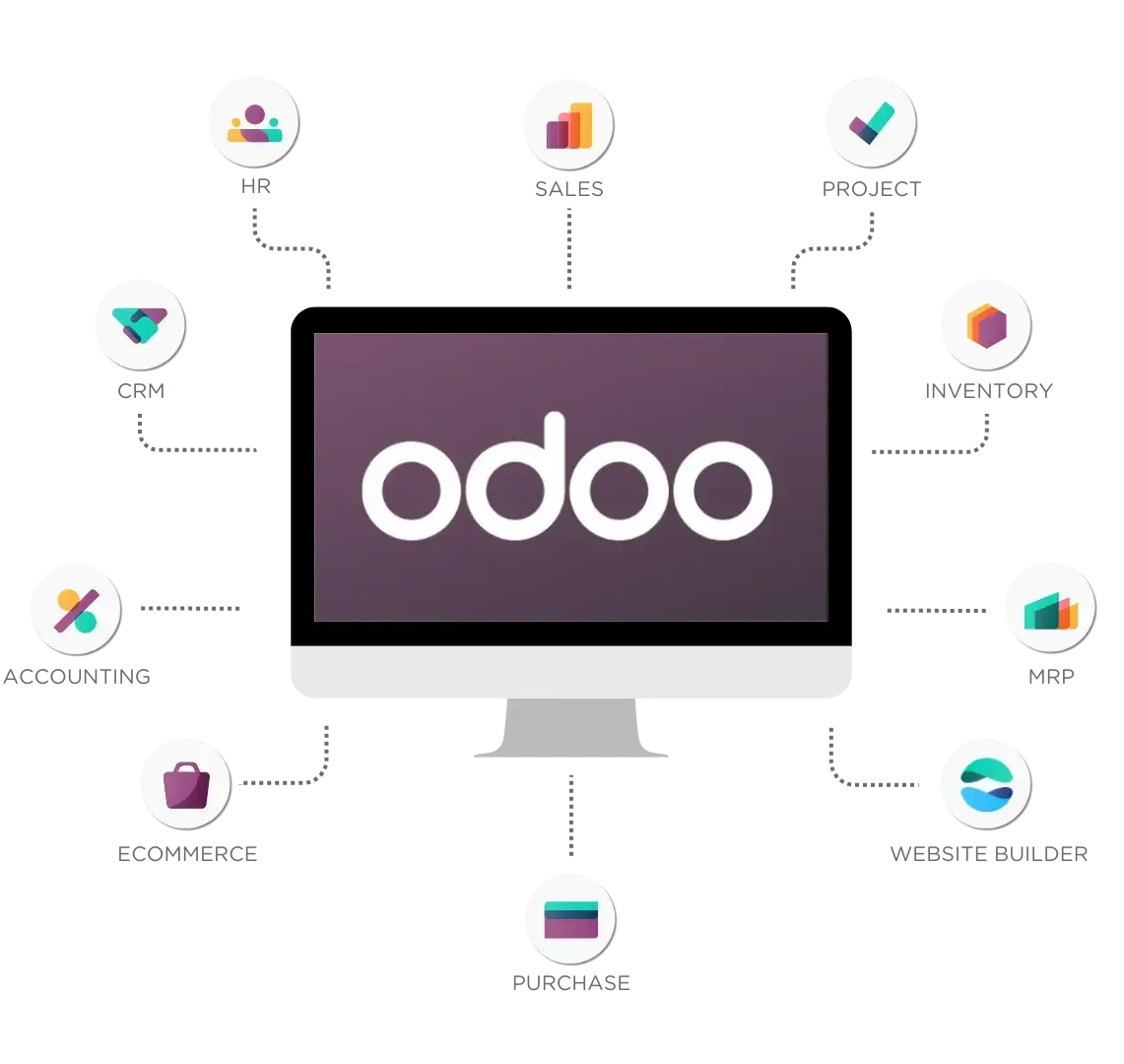
Businesses may evaluate Odoo because of its modular architecture and configurable workflows. Organizations can implement relevant applications first and introduce additional functionality as they grow. Odoo can be suitable for small and medium-sized businesses, distributors, service providers, and manufacturers. Its suitability depends on the required features, implementation scope, and level of customization.
When Should Businesses Consider SAP?
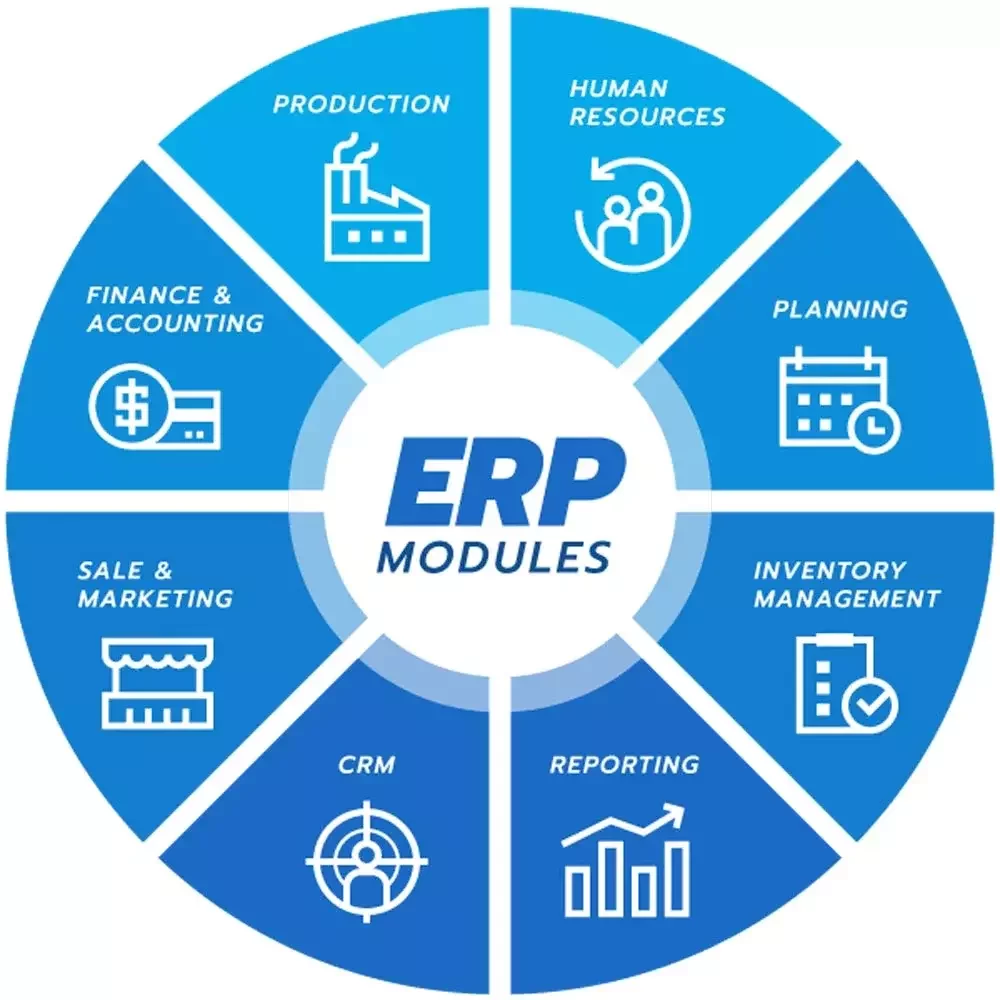
SAP may be worth evaluating when a business requires extensive operational controls, complex supply chains, specialized industry capabilities, or support for large organizational structures. However, implementation effort and cost vary significantly by product, deployment model, customization, and project scope. Businesses should compare the specific SAP product that matches their requirements rather than treating all SAP solutions as identical.
Why Consider Microsoft Dynamics 365?
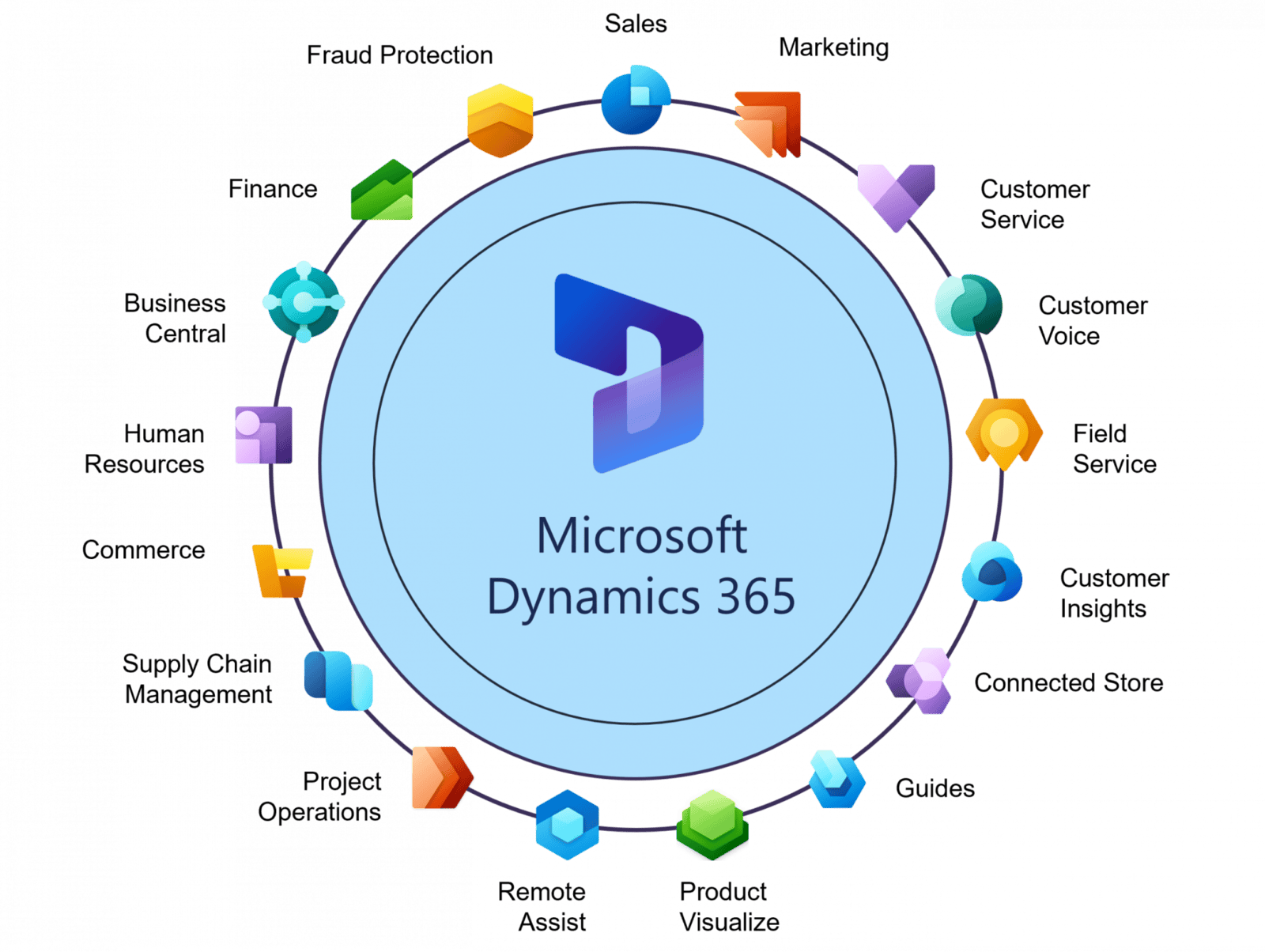
Microsoft Dynamics 365 may be attractive to businesses already using Microsoft technologies or looking for connected applications across finance, sales, and operations. The right solution depends on the selected applications, licensing, integration requirements, and implementation plan.
Odoo vs SAP vs Microsoft Dynamics: Feature Comparison
Odoo vs SAP vs Microsoft Dynamics: Feature Comparison
Comparing ERP systems helps businesses understand which platform may align with their requirements. The following table provides a general overview.
Comparison factor | Odoo | SAP | Microsoft Dynamics 365 |
Business applications | Modular business apps | Capabilities vary by product | Capabilities vary by application |
Customization | Configuration and custom development | Configuration and extensibility | Configuration and extensibility |
Integration | APIs, connectors, and custom integrations | Product-dependent integration options | Microsoft ecosystem and third-party integrations |
Manufacturing | Available through relevant modules | Depends on the SAP solution | Depends on the selected applications |
Implementation | Depends on modules and project scope | Depends on product and operational complexity | Depends on applications and project scope |
Cost | Licensing or subscription, services, hosting, and support | Product licensing, implementation, and support | Application licensing, implementation, and support |
Important Factors to Compare
Before choosing an ERP, assess the following:
Functionality: Does the system support your essential business processes?
Flexibility: Can workflows be configured to match your requirements?
Integration: Can it exchange data with existing business applications?
Scalability: Can it support future growth and new business units?
Implementation: How much time, expertise, and internal involvement will be required?
Total cost: What will the software and implementation cost over time?
No single ERP is the best option for every business. Product editions and implementation approaches can significantly affect the final comparison.
Odoo vs SAP: Which ERP Is Better?
Odoo and SAP address overlapping business requirements, but the best choice depends on the specific products being evaluated and the complexity of the organization's operations.
Advantages of Odoo
Odoo may be a suitable option for businesses that want:
Modular applications for different business functions
Configurable workflows and customization options
Connected sales, inventory, accounting, and manufacturing processes
An implementation that can be phased according to business priorities
Integration with other business applications
Advantages of SAP
Depending on the product, SAP may be suitable for organizations that need:
Extensive enterprise process management
Complex financial and operational controls
Advanced supply chain capabilities
Support for large or multinational operations
Industry-specific functionality
Which One Should You Choose?
Consider Odoo when its available applications and customization options meet your requirements. Evaluate the appropriate SAP product when your operational processes require capabilities that align with its enterprise or industry-specific functionality.
The decision should be based on product demonstrations, requirements analysis, implementation estimates, and long-term ownership costs—not brand reputation alone.
Odoo vs Microsoft Dynamics 365
Odoo and Microsoft Dynamics 365 both offer business applications for connecting operational processes. Their suitability depends on functionality, integration requirements, and the technology environment already used by the organization.
Odoo May Be Suitable When You Need
Modular business applications
Flexible workflow configuration
Connected sales, inventory, finance, and manufacturing operations
Custom functionality for specific business processes
Microsoft Dynamics 365 May Be Suitable When You Need
Business applications connected to the Microsoft ecosystem
Particular finance or supply chain capabilities offered by selected products
Integration with Microsoft reporting and automation tools
An application portfolio that matches your organization's existing technology strategy
What Should You Evaluate?
Before making a decision, compare:
Required applications and business workflows
Licensing and implementation costs
Integration with existing systems
Reporting and analytics requirements
Customization and ongoing maintenance
Training and user adoption
Ask both vendors or implementation partners to demonstrate real business scenarios, such as order processing, inventory updates, invoicing, and financial reporting.
Odoo vs Oracle NetSuite and Other ERP Systems
Oracle NetSuite is another platform businesses may consider when evaluating cloud ERP, financial management, and multi-subsidiary operations.
Other ERP systems may be appropriate depending on company size, industry, technical requirements, and existing applications.
How to Compare Alternative ERP Systems
Consider these factors when comparing Odoo with Oracle NetSuite or other ERP solutions:
Financial management: Does the platform meet your accounting and reporting needs?
Industry functionality: Does it support your specific operational requirements?
Deployment: Does its hosting and deployment model suit your business?
Integration: Can it connect with your existing applications?
Scalability: Can it support future growth and organizational changes?
Support: Are suitable implementation and ongoing support resources available?
The goal is to choose a system that meets your requirements without introducing unnecessary complexity or expense.